
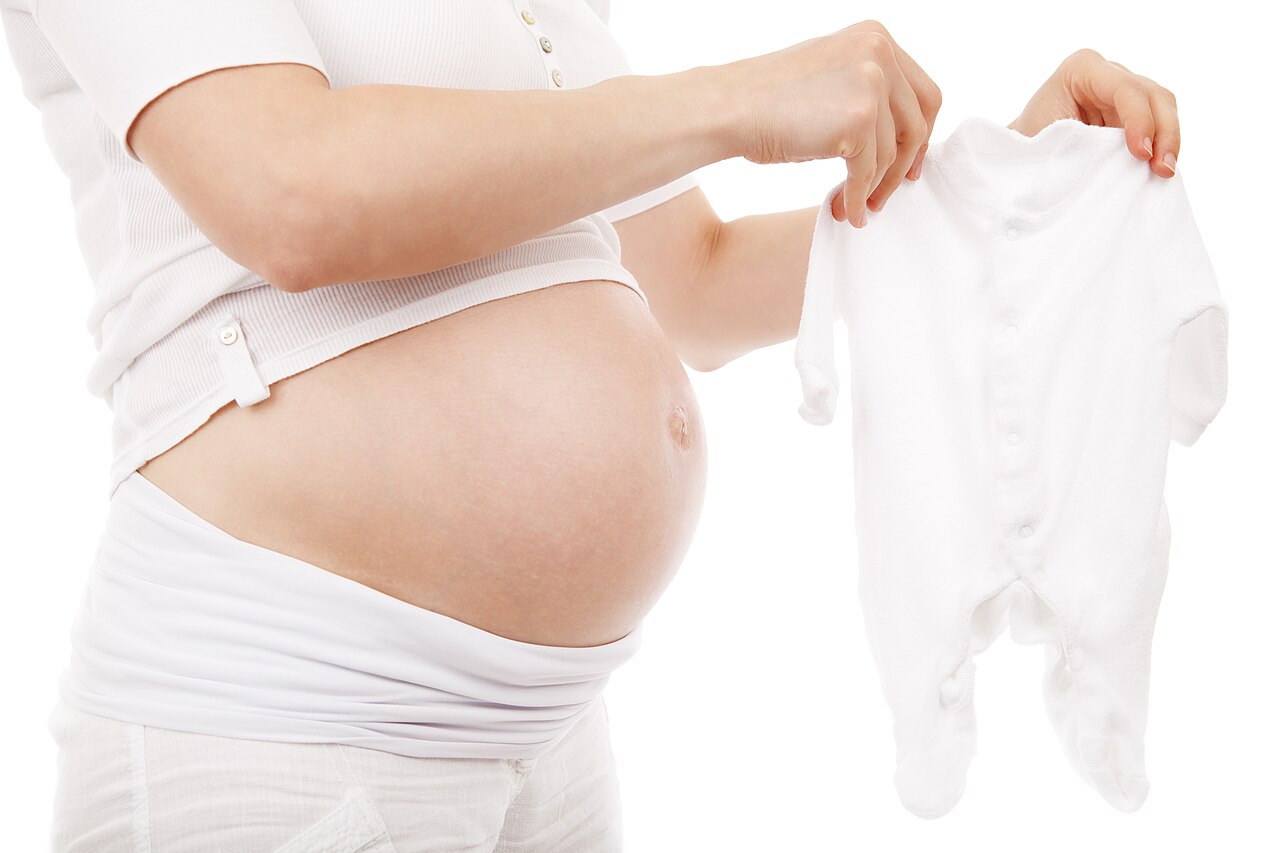
Feeling queasy in early pregnancy is incredibly common — and despite the name, “morning sickness” can strike at any time of day. While it is rarely harmful to your baby, it can be genuinely miserable. Here is what is happening, what can help you feel better, and the warning signs that mean it is time to call your midwife or doctor.
What causes morning sickness — and how long it lasts
Nausea and vomiting in pregnancy are thought to be driven mainly by the surge of pregnancy hormones in the first trimester, though the exact cause is not fully understood. For most people it starts at around 6 weeks, is at its worst around weeks 9 to 10, and eases off by weeks 12 to 16, as the first trimester ends. A smaller number of people feel sick for longer. Having some nausea is often a sign that the pregnancy hormones are doing their job.
Practical tips that can help
There is no single cure, but many people find these simple changes take the edge off:
- Eat little and often. An empty stomach can make nausea worse, so small, frequent snacks often work better than large meals.
- Keep it bland and dry. Plain crackers, toast, or dry cereal are easier to tolerate — some people keep a few crackers by the bed to eat before getting up in the morning.
- Sip fluids regularly. Take small, frequent sips of water throughout the day to stay hydrated; cold, fizzy, or sour drinks are easier for some.
- Try ginger. Ginger tea, ginger biscuits, or ginger sweets help some people and are generally considered safe in pregnancy.
- Avoid your triggers. Strong smells, certain foods, heat, and tiredness can all set off nausea — notice your own patterns and work around them.
- Rest when you can. Tiredness tends to make nausea worse, and early pregnancy is exhausting in itself.
Some people also find acupressure bands worn on the wrist helpful. Vitamin B6 (pyridoxine) is sometimes recommended for pregnancy nausea — but check with your midwife or doctor before taking any supplement or remedy, as not everything sold for nausea is suitable in pregnancy.
Will it affect my baby?
For most people, typical morning sickness — even with some vomiting — does not harm the baby, as long as you are managing to keep down some food and fluids over time. If nausea is stopping you from eating a varied diet, keep taking your pregnancy vitamins and focus on staying hydrated, and let your midwife know.
When to seek medical help
Contact your midwife or doctor promptly if you:
- Cannot keep any food or fluids down, or are vomiting many times a day.
- Have signs of dehydration — very dark urine, not passing urine for many hours, dizziness, or a racing heart.
- Are losing weight.
- Have vomiting with a high temperature, tummy pain, or blood.
Very severe, persistent vomiting can be a condition called hyperemesis gravidarum, which needs medical treatment — so it is important not to just “put up with it.” Effective anti-sickness treatments are available on prescription when they are needed, so reach out rather than struggling alone.
This article is for general educational purposes and is not a substitute for professional medical advice. Always speak with your midwife or doctor about symptoms in your own pregnancy, and before taking any medicine or supplement.
Sources
- NHS — Vomiting and morning sickness in pregnancy: nhs.uk/pregnancy
- American College of Obstetricians and Gynecologists (ACOG): acog.org
- Mayo Clinic — Morning sickness: mayoclinic.org