
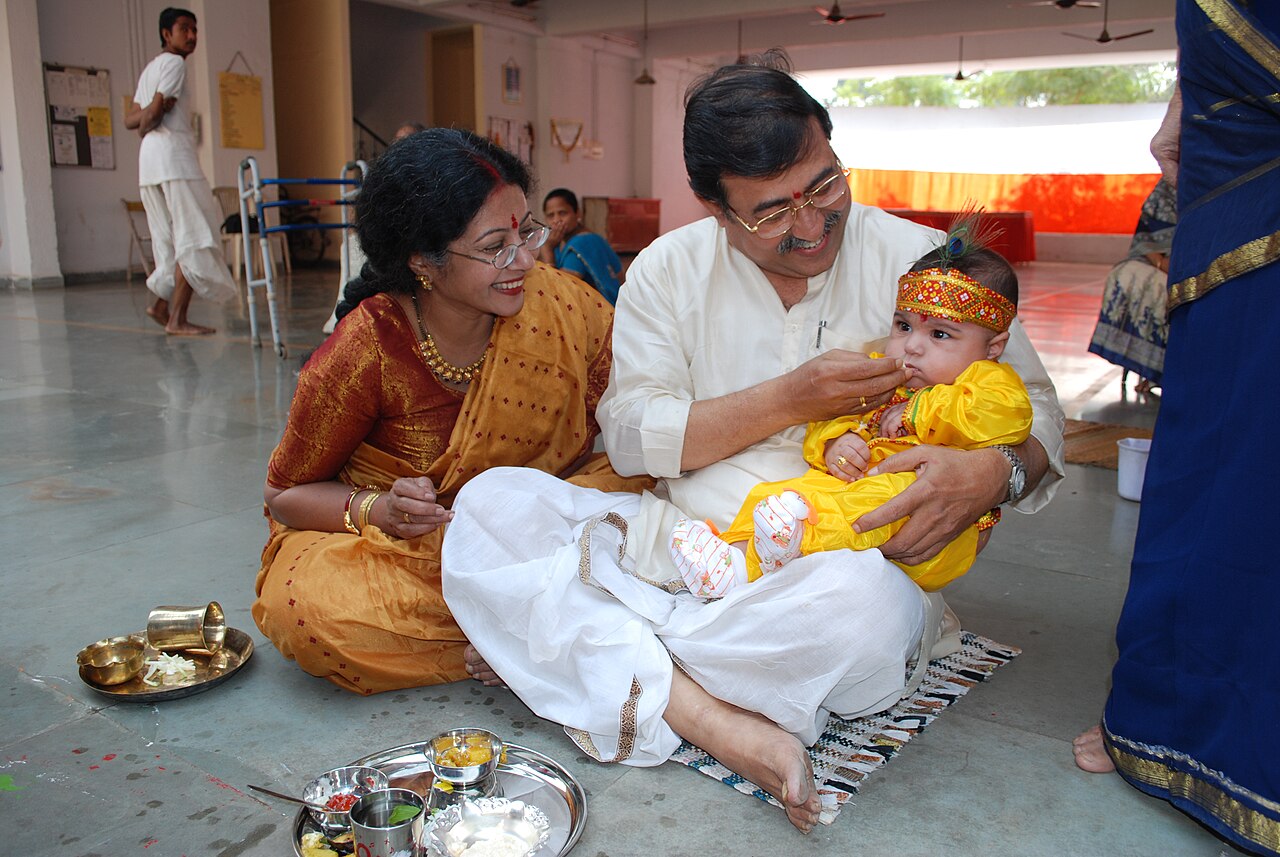
Starting solid foods is an exciting milestone — and a question that comes with a lot of conflicting advice. Here is what the evidence actually says about when your baby is ready, how to begin, and which foods to offer or avoid in the first few months of eating.
When is my baby ready for solids?
Most babies are ready for solid foods at around 6 months. Health authorities advise waiting until about this age — and not starting before 4 months — because a younger baby’s digestive system and coordination are not yet ready, and breast milk or formula meets all their needs until then.
Rather than going by age alone, look for three signs that usually appear together:
- Your baby can stay in a sitting position and hold their head steady.
- They can coordinate their eyes, hands, and mouth — looking at food, picking it up, and bringing it to their mouth.
- They can swallow food rather than pushing most of it back out.
Dribbling, chewing fists, or waking in the night are often mistaken for signs of readiness, but on their own they are normal baby behaviours — not proof that solids are needed.
How to start
Keep the first weeks relaxed and pressure-free. Milk (breast or formula) is still your baby’s main source of nutrition throughout the first year; early solids are about learning, not replacing feeds.
- Begin with one small taste a day, at a time when your baby is not too tired or too hungry, and build up gradually.
- Offer soft foods your baby can manage — smooth purees, soft cooked vegetable sticks, or soft fruit. Both spoon-feeding and letting your baby feed themselves (baby-led weaning) are fine, and many families mix the two.
- Let your baby explore, touch, and get messy. Expect food to be refused, spat out, and played with — it can take many tries before a new food is accepted.
- Offer water in an open or free-flow cup with meals once solids begin.
Introducing allergens
Current guidance encourages introducing common allergen foods — such as well-cooked egg and smooth peanut butter (never whole nuts) — from around 6 months, one at a time and in small amounts, so you can watch for any reaction. Introducing these foods early, rather than delaying them, may actually help reduce the risk of developing a food allergy. If your baby already has a diagnosed food allergy, severe eczema, or a strong family history of allergies, talk to your doctor before introducing allergens.
Foods to avoid in the first year
- Honey — avoid until 12 months (risk of infant botulism).
- Whole nuts and hard foods — a choking hazard; offer nuts as smooth butter instead.
- Added salt and sugar — babies’ kidneys cannot handle much salt, and sugar is not needed.
- Whole cow’s milk as a main drink before 12 months (small amounts in cooking are fine).
Gagging, choking, and staying safe
Gagging is common and normal as babies learn to move food around — it is a noisy, protective reflex, not the same as choking. To reduce real risk, always stay with your baby while they eat, sit them upright, never leave them alone with food, and avoid round, firm foods like whole grapes or cherry tomatoes unless cut up small. It is worth learning what to do if a baby chokes before you start solids.
When to talk to your doctor or health visitor
Seek advice if your baby shows signs of an allergic reaction (such as a rash, swelling, vomiting, or difficulty breathing — seek emergency help for breathing problems), is still strongly refusing solids by around 7–8 months, has a medical condition affecting feeding, or if you are simply unsure how to start.
This article is for general educational purposes and is not a substitute for professional medical advice. Speak with your doctor, midwife, or health visitor about your own baby, especially regarding allergies.
Sources
- NHS — Start for Life, Introducing solid foods: nhs.uk/start-for-life/baby/weaning
- American Academy of Pediatrics — HealthyChildren.org: healthychildren.org
- World Health Organization — Infant and young child feeding: who.int